


The supply of drugs has changed in a big way during the time that I have been a police officer, where there were local users of drugs and those who supplied them, but the suppliers were mainly local users.
The money involved over twenty years ago was not huge either, but for the local users who were prepared to take the risk of getting caught, it was enough to fund their own habits.
This was the situation 25 years ago and I am talking about my own, local policing experience. I`m sure that the situation in UK cities was quite different, but even then, it was not the organised, large profit crime pattern which we now see.
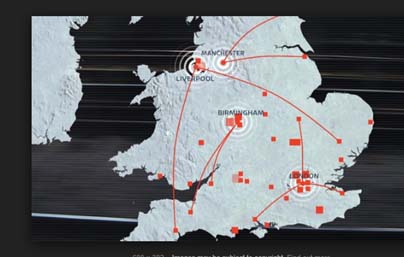
You may have read about or heard on the news the term `county lines`. This refers to organised crime groups who will supply large amount of drugs from city locations and into the home counties.
The method in which drugs are supplied from the cities and into counties, some of which can be far from where they are dispatched from, is by using of drug runners.
The drug runners will take quite large quantities of drugs with them, so they need to protect themselves from the risk of getting caught and will need a place to stay, where they can keep the drugs and only take out with them a small amount to sell to a user, so if they are caught, then they will only be convicted of the lesser offence of possession.
The place where they stay will also remain unknown in this way, so most will go out to meet people and not have them collect from the place they are staying in.
The people who run these organised crime groups exploit those who are most vulnerable in our communities.
The runners are often very young people, mainly aged between 14 to their early twenties. Many will have come from very difficult home lives and are easy to identify because they will spend a lot of time away from home and not be in education or employment either.
Spending a lot of time on the streets or sofa surfing at different places will mean they will be associating with older people, many of who will use drugs. They will see their future as bleak and the lifestyle they are in as normal because they often have not experienced any different.
The offer of quick cash then becomes appealing and they have a purpose. They are asked to supply drugs from the cities and into the home counties, where they are paid well, making them feel important. They will look at their peers at school with part-time work and think they are doing much better than them.
These are extremely vulnerable young people and the life they enter is not based on trust but fear and threat.
Those who recruit them and very organised and will not want to lose money or the drugs and they will know where the families of these young people live and who is in the family.
Once the trust is made early on, then the young people are given large amounts of drugs. After selling these for a day, they will be in possession of several hundred pounds – they don`t run off with it because on one hand they want another pay day, but they have also been told that if they lose the drugs or steal the money, them violence will be used against their family members. It is a tried and tested method of ensuring that control is exercised over them.
The homes these runners will stay in are occupied by vulnerable people too. Many will have mental health problems and often they are drug users themselves.
They are offered free drugs or payment to allow their home to be used and all these people, both the runners and residents of the homes used, are identified through the local drug community and you end up with a network.
The people behind the organisation are using many such people in a lot of counties and the amount of money coming back to them is huge.
Those caught will sometimes get convicted of offences, such as possession of drugs or sometimes supply, plus allowing their homes to be used for the supply of drugs. Those who have created these networks are often not found, this is because the vulnerable people who get caught won`t talk for fear of violence or the need to carry on, but the phones used often will be set up in a way that they can`t be traced.
The use of vulnerable people and the violence sometimes used against them is the big change I have seen in my policing career. The exploitation of those most vulnerable in our communities is also making it hard for those professionals who have spent a lot of their time in trying to help them over the years and they are now fighting a new problem on top of the mental health or drug one, or in the case of young people, getting them settled and into education or training.
Information from the community and an effective law enforcement is what is needed to stem the flow of this problem and next week I will give you some examples of these problems and how the police and community can work together to help prevent it.