

By Matthew Pritchard – RBC
Fighting Domestic Abuse
Domestic abuse affects every culture and country in the world, but the problem is especially complicated when it occurs within immigrant communities: due to the language barrier, victims are often unable to report crimes or do not know that help is available. Because of this, Rushmoor Citizens Advice in Aldershot offers specific support to the Nepali community.
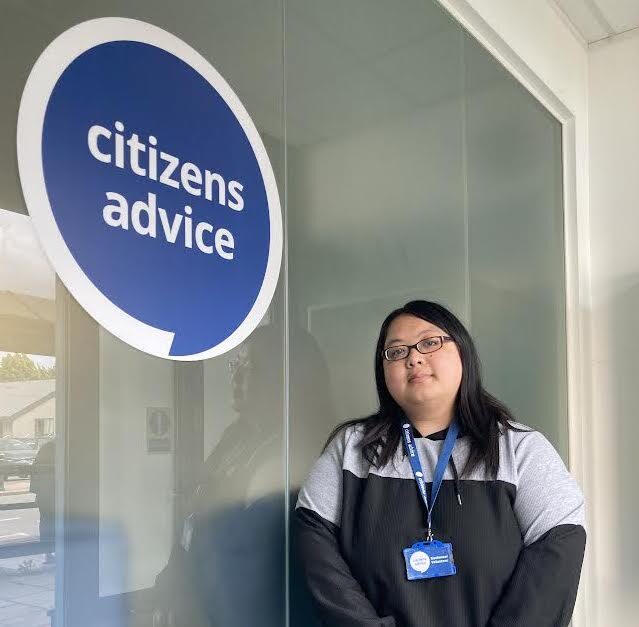
Aliza Gurung-Malla is Domestic Abuse Project Lead at Rushmoor Citizens Advice, where she has worked for eight years. She said the main purpose of the project – which started in 2013 and is currently funded by the Armed Forces Covenant Trust – is to raise awareness of domestic abuse among the Nepali community.
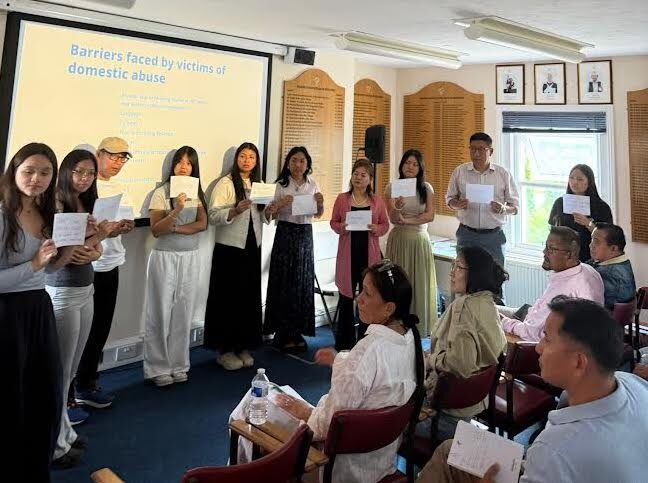
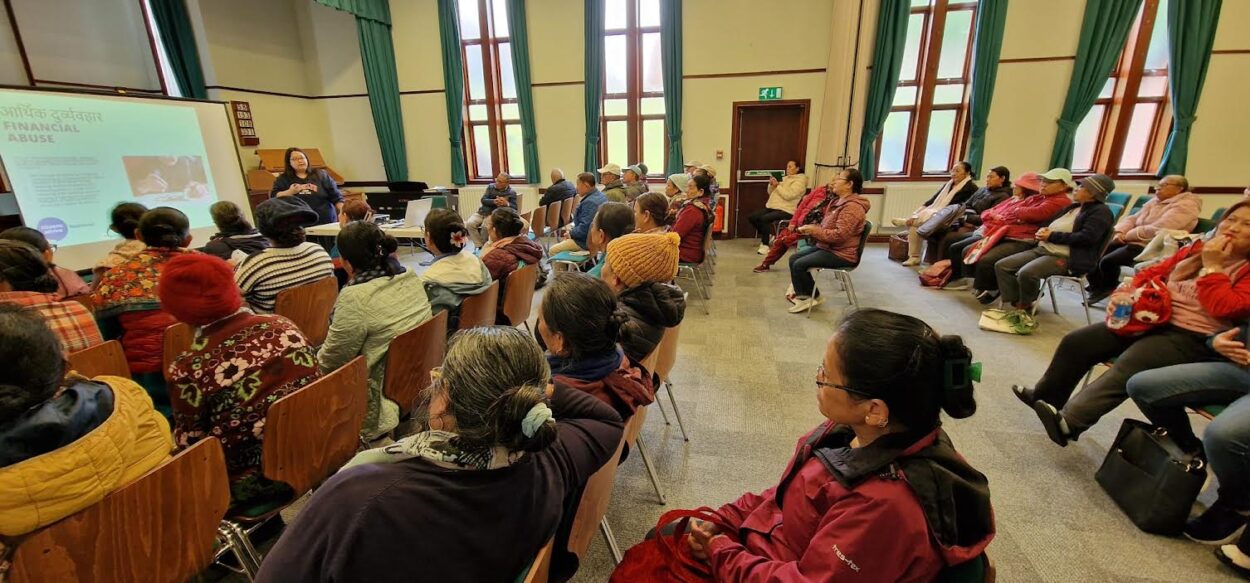
To do this, Mrs Gurung-Malla runs workshops for local Nepali community groups and charities, during which she explains the different types of domestic abuse – spousal abuse, elder abuse, financial abuse, abuse of medication – and invites attendees to share their opinions and experiences of these issues.
She said the importance of family honour within Nepali culture is a complicating factor: ‘The need to protect and maintain the respect of the family permeates the Nepali community, and victims of domestic abuse often place family honour above their personal safety and do not report crimes.’
She said Nepali cultural customs also affect the issue: ‘I have heard of community leaders trying to act as mediator between the victim of domestic abuse and the perpetrator. They get perpetrators to apologise to the victim and that is seen as a fix, which puts the victim in a vulnerable position if he or she decides not to give the perpetrator a second chance.’
She also said the practice of forced marriage (jabaradasti) still occurs within the Nepali community in Aldershot and that in the last eight years a number of victims – both male and female – had reached out to Rushmoor Citizens Advice for help. She said, ‘In many cases it involves forced marriage between a child raised in the UK and a cousin in Nepal who have been “reserved” for each other by parents when both were still children.’
She said victims are often subjected to emotional blackmail by their families and other community members: parents sometimes refused to eat or take medication until the person obeys their wishes or threaten to disown the child completely; and women face the additional pressure of becoming ‘tainted’ and ruining the family’s reputation if they reject partners arranged for them by their parents.
In one specific case involving a male victim, Mrs Gurung-Malla worked with non-governmental organisation, Karma Nirvana, to supply the victim with an electronic tag which alerted airport authorities to his situation and prevented his being taken out of the UK against his wishes.
Despite this, Mrs Gurung-Malla said attitudes among the Nepali community had improved in the last ten years. She said, ‘When I began to run the workshops people would literally walk out when I discussed sensitive subjects such as sexual abuse or homosexuality. Others became angry and wanted to grab the microphone from me.
‘Now, though, it is interesting to see people from older generations talking openly about certain topics that were formerly taboo.’
Anyone wishing to report an instance of domestic abuse or seeking further information on the subject can contact Aliza Gurung-Malla on 01252 339 596 or by email: aliza.ag@citizensadvicerushmoor.org.uk