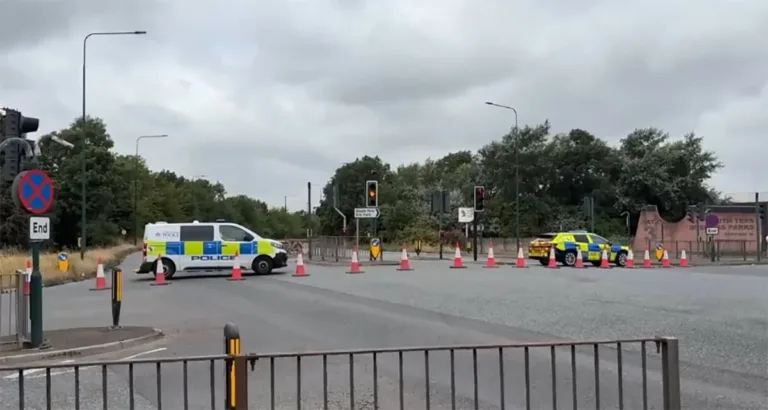


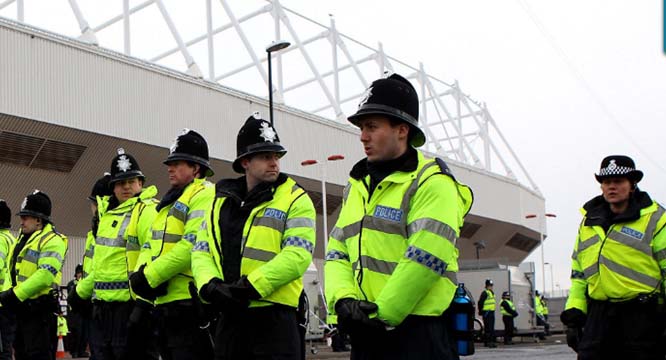
Each year there are various policing commitments which are on a scale that there is a need to use resources from adjoining forces.
These commitments come from pre-planned events, such as music festivals and this year`s Farnborough International Air show, to unplanned, such as the Manchester bombing of last year.
Where a large-scale event takes place in a police force area, the local force will simply not have the resources, or specialisms in some cases, to cope with it alone, therefore there is a need to use resources from adjoining forces.
The wedding of Megan Markle to Prince Harry this coming weekend is a god example, so too is the recent Commonwealth Heads of State meeting in London.
The Metropolitan Police is the largest and most funded of all police forces in England and wales, yet there was a requirement to draft in resources from nearby forces, Hampshire Constabulary being one of these.
Thames Valley Police cannot ensure a safe event at the Royal wedding without seeking outside support and specialist functions either, so Hampshire Constabulary was required to assist also.
The reduction in police funding has already led to the amalgamation of some resources, such as Roads Policing (Traffic) and the Dog Section between Hampshire and Thames Valley police forces, so joint working will become more commonplace over the forthcoming years anyway.
From a public perspective, it is important to know that policing levels are normally maintained locally when mutual aid occurs, because some specialist roles, such as search trained officers, are regular patrol officer’s day to day, who are then taken off their core duty to perform a specialist function when required.
Large events such as the Royal wedding attract additional funding through the Home Office, so where officers are taken from their normal duty, officers are used on overtime to fill their role to maintain the core policing needs in their respective police force.
Some events will not attract Home Office funding, such as music festivals, however, the event organisers will pay a significant contribution to the policing function. Policing at these events is not about security, but making sure there is a safe event and dealing with offences such as drug supply and assaults etc.
Football matches are another good example, where extra resources and specialisms, such as mounted police (horses) are needed.
These events are day to day policing, where it is deemed that ensuring public order outside the ground is a responsibility of the police, whereas policing costs incurred inside the grounds will be contributed towards by the club.
A test case through the courts in the North a few years ago led to the policing cost outside the ground falling to the police, where a claim was made by the police to the club and the court found in favour of the club, so this set a precedent nationwide.
There will always be events, such as football matches, where policing these will have an impact on the regular day to day policing in our communities, however, the numbers of officers used, and the duration is only very short.
I think that it is important that when you see large numbers of police on duty at events you may attend, or on the TV, you know that the impact to policing in your community is very small and the core functions are adequately resourced.