

By Matthew Pritchard
The Language Barrier
Nepali people in the UK face many problems, but the English language remains the most significant of them. Large numbers of Nepalis are still unable to communicate effectively in English, and this inability affects every aspect of their lives: it prevents them from seeking employment, from socialising with British people, and from interacting with local government and the UK health system.
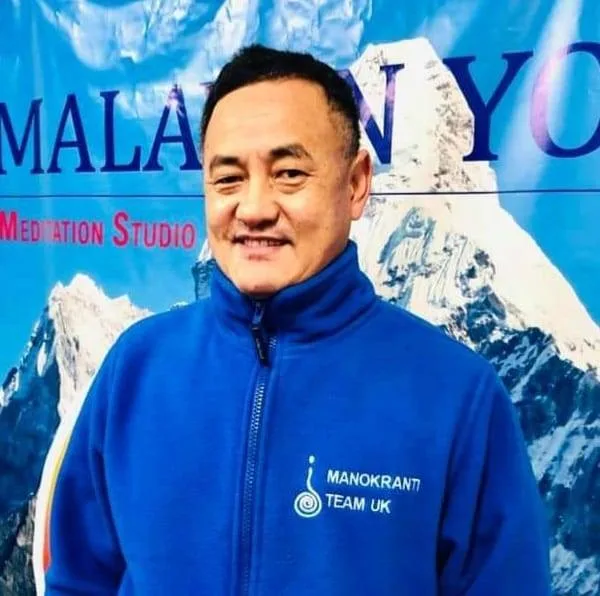
A number of different organisations are now working to fight this problem.Tek Gurung runs the Camberley Nepalese Gurkha Association, which organises a weekly drop-in facility where Nepalis can bring problems and queries related to living in the UK.
He said common issues faced by non-English-speaking Nepalis include lack of access to the local bus service (due to an inability to read the numbers and destinations); trouble understanding utility bills and bank statements; and exclusion from online services and social media. He said the wives and widows of retired Gurkhas were especially vulnerable: ‘For quite a few, the illiteracy problem is not just in English but also in Nepali, as there were no schools in the hills for their generation of people.’
To combat these problems, the CNGA provides an interpretation service, which helps with reading and explaining DWP correspondence, filling in forms, arranging hospital appointments, and making or responding to phone calls.
Mr Gurung said the CNGA also runs English language classes for its members. He said these were initially ‘supported by the local Borough with a provision of paid ESOL teachers’ but that this support is no longer available, and the CNGA is now reliant ‘on the goodwill of volunteer teachers to continue this important work’.
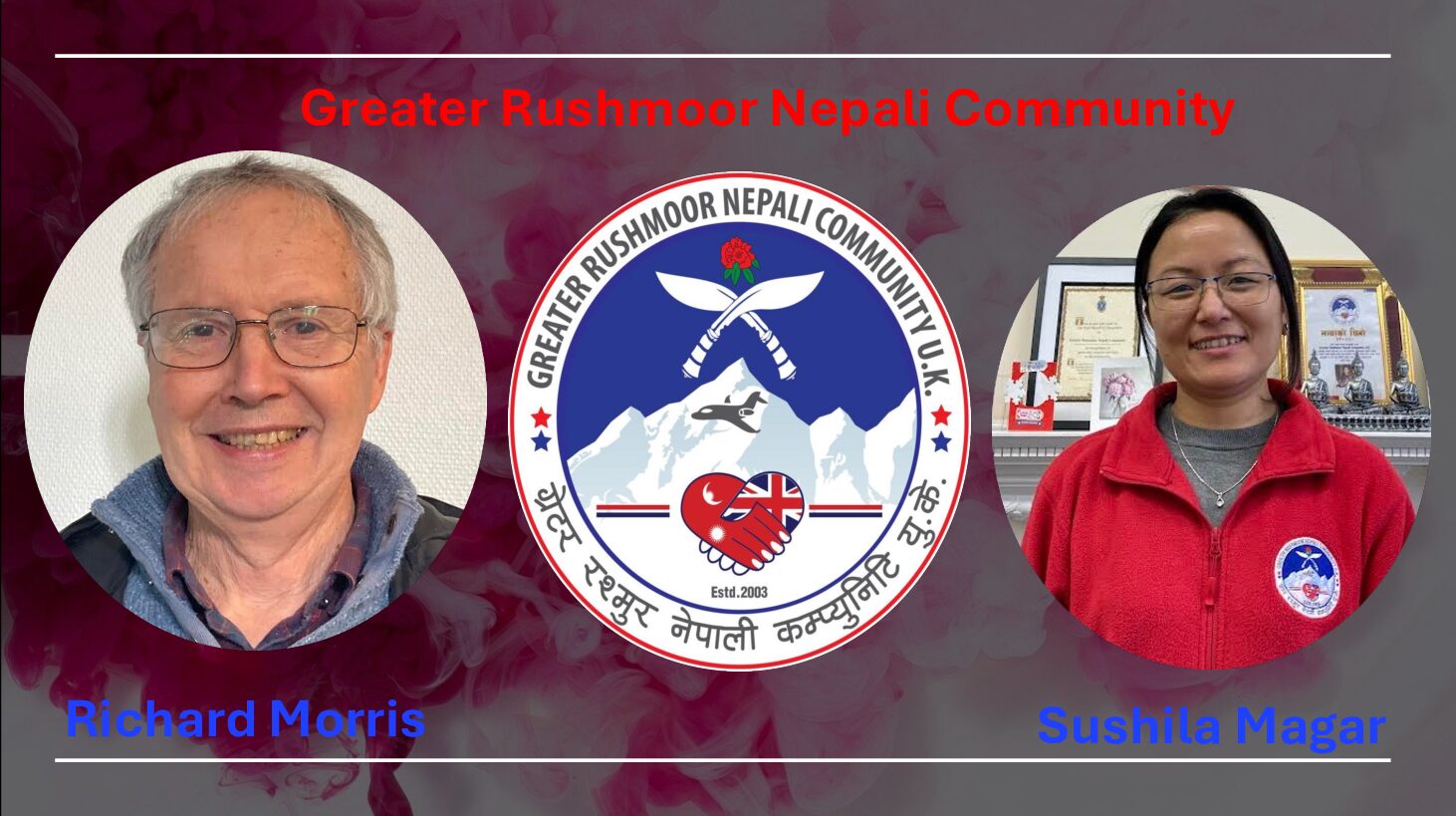
Sushila Magar is project manager for the Greater Rushmoor Nepali Community and runs the organisation’s walk-in office in Aldershot, where she helps other Nepalis with a wide range of issues, such as securing residency, opening bank accounts, reading official letters, and dealing with paperwork. Demand for these services is high and increasing. She said, ‘In the whole of 2024, the GRNC dealt with roughly 1,000 different enquiries. But in January of 2025 alone, we have already helped more than 150 people.’
She said that many Nepalis were struggling to understand the new bureaucratic processes related to the E-visa. She said, ‘Many of these processes are done online now, and older Nepalis do not understand what is happening when they do not receive a letter.’
She said the language barrier also made elderly Nepalis and Gurkha widows vulnerable to exploitation from members of their own community. She said, ‘I have heard of cases where other Nepalis charge them money to act as interpreter when they go to the doctor or the council office. People are desperate, so they pay.’ She said the GRNC is planning to provide free volunteer interpreters in the near future.
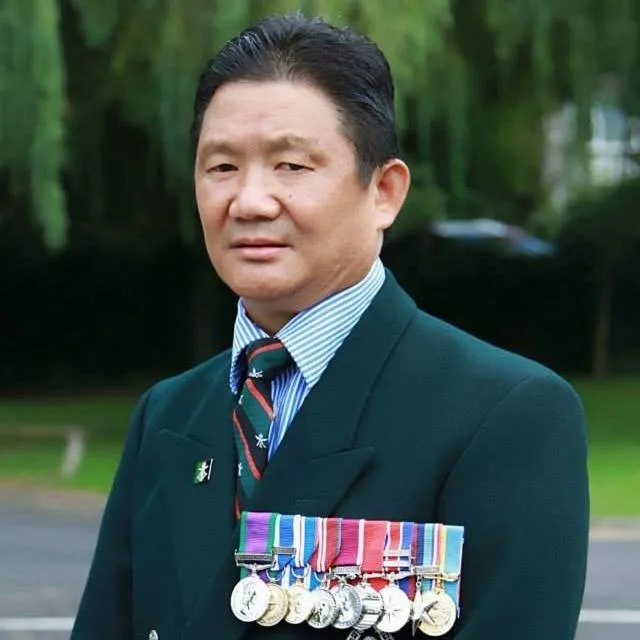
Richard Morris runs the Naya Bato English language school in Aldershot, which is staffed by volunteer teachers from the UK and Nepal. A former officer in the Brigade of Gurkhas, Mr Morris speaks Nepali and has spent time living in the village of Ghanpokhara, in Nepal’s Lamjung District.
Mr Morris said Naya Bato provides, ‘a weekly meeting-point where students can chat to others outside their own family and gain confidence in meeting and interacting with English people’.
The school was founded in 2010. Its students initially comprised former Gurkhas and their wives, but this demographic has now changed. Mr Morris said, ‘Our students have become much more varied. There are now many more from civilian backgrounds, whether they be sons and daughters of Gurkha veterans, or immigrants who are part of the Nepali diaspora.
‘You can see this from the names in the Student Registers, where the familiar serving families – Gurung, Magar, Rai, Limbu, and Thapa – are now joined by Paija, Sunawar, Pradhan, and others.’
Naya Bato runs three different classes, divided by ability in English: basic, elementary, and intermediate. The largest class is the lowest ability level, comprised of 25 female students who are unable to read or write English. It meets each week on Wednesdays at the Mormon Church on St Georges Road in Aldershot. Classes begin at 11:00 and are free to attend.
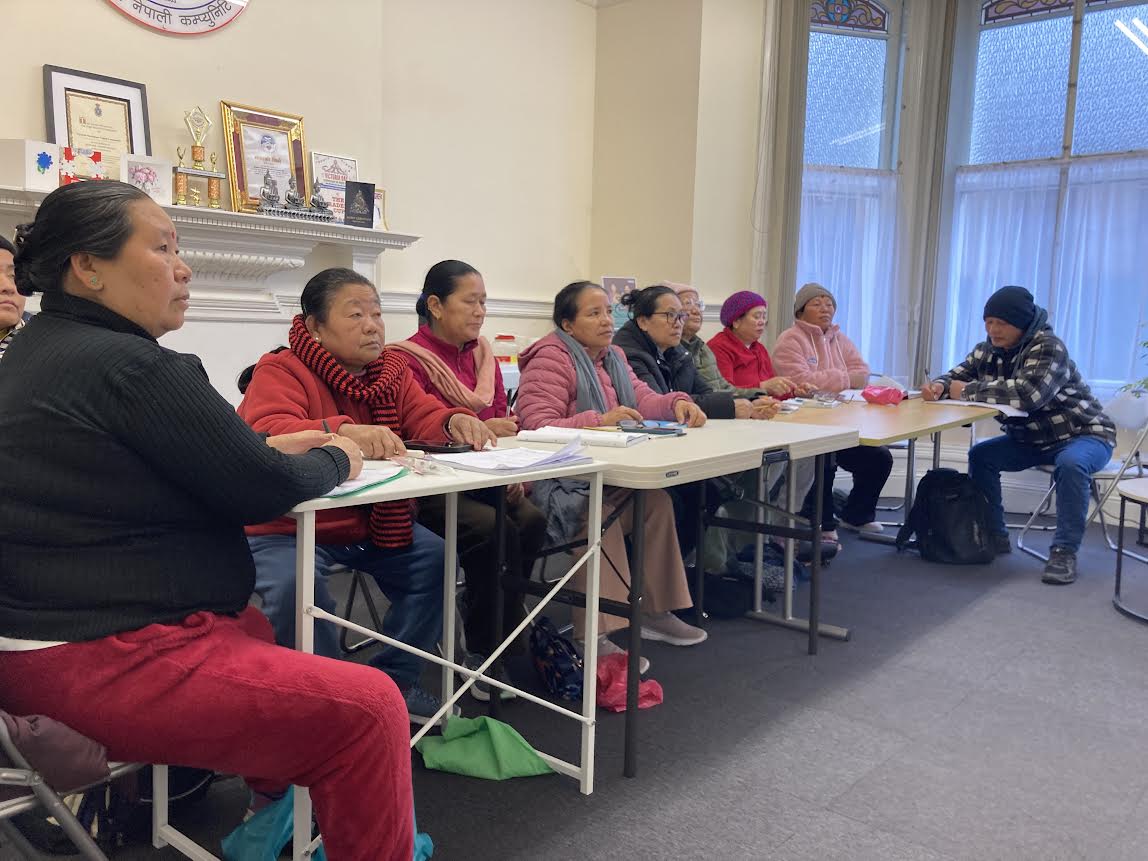
ET – 01 Students at the Greater Rushmoor Nepali Community
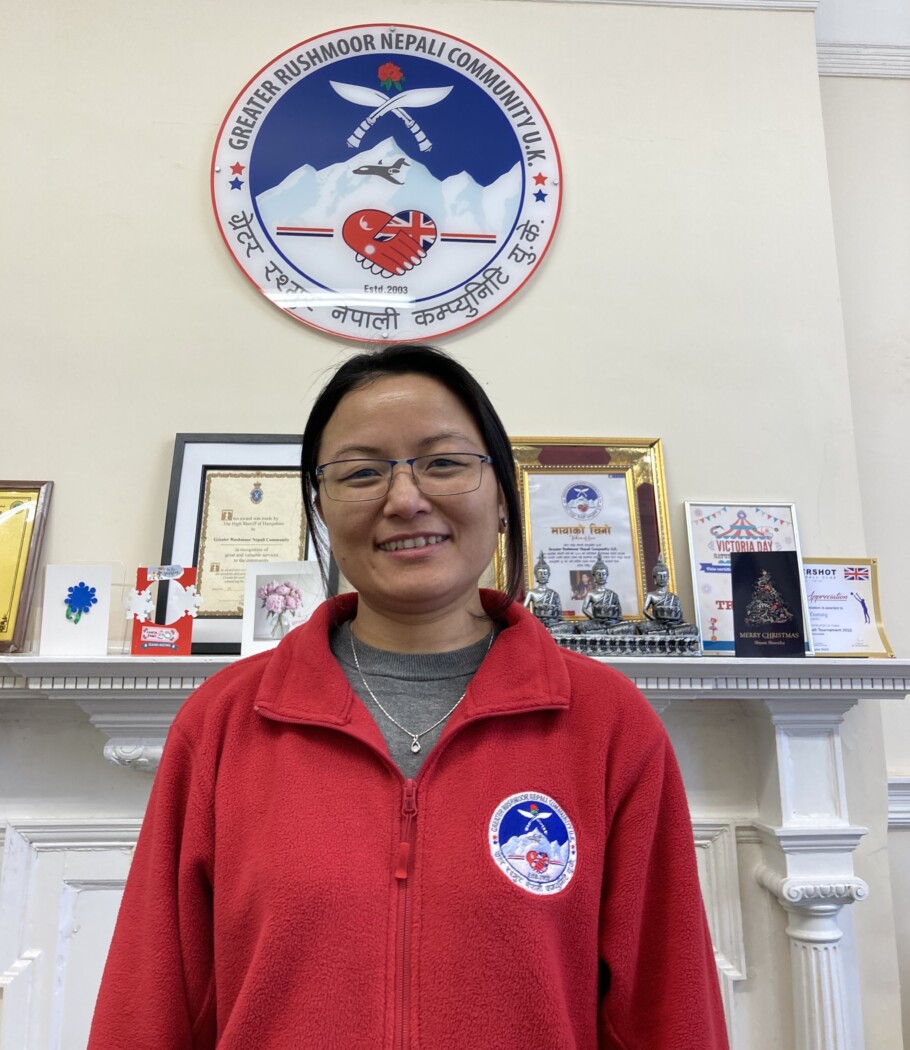
ET – 02 Sushila Magar of the GRNC
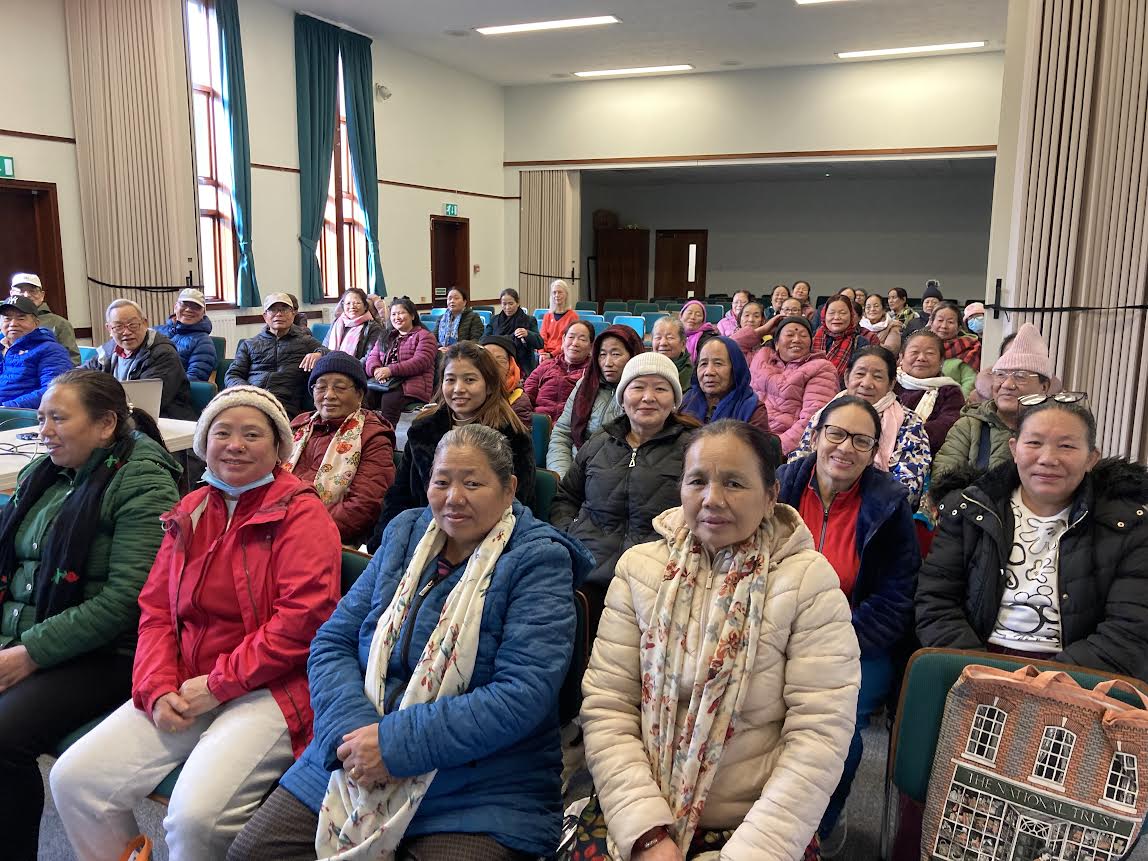
ET – 03 Students at Naya Bato
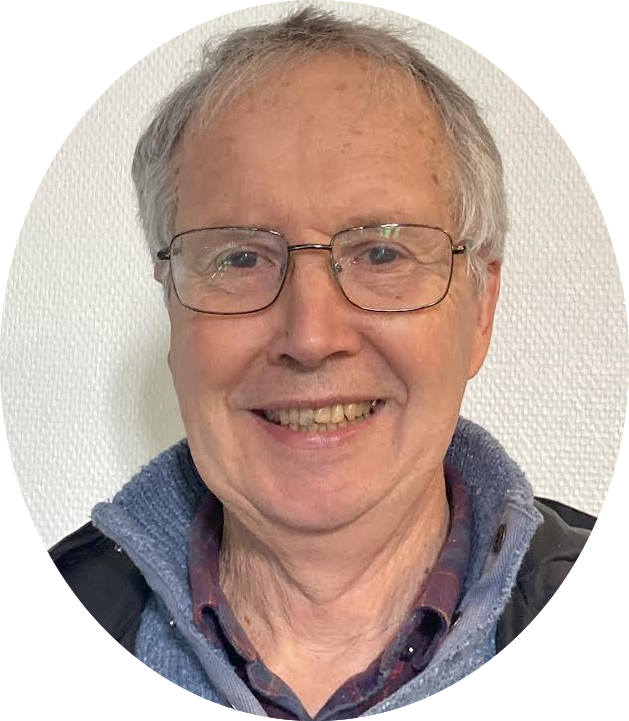
ET – 04 Richard Morris of the Naya Bato school
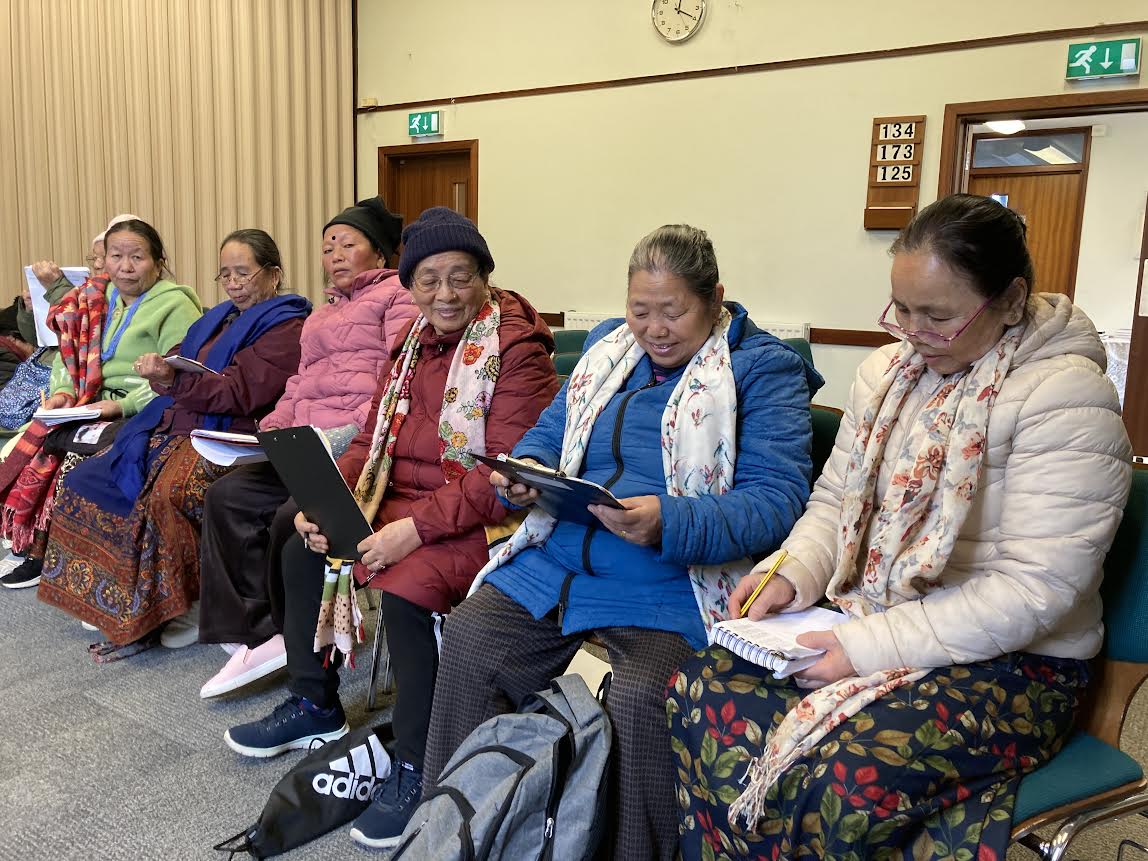
ET – 05 Students practise writing at Naya Bato