

Mark Ranola
The Home Secretary, Sajid Javid, recently spoke out about the need to get violent crime under control, particularly knife crime, which involves young people and gangs, much of it drug related.
In London this year alone, there have been 119 deaths, many related to gang culture, however, when figures in other large cities are considered, the numbers are unacceptable.
Now, for many readers of Everest Times, you will live in communities where gangs and violence are rare, but if the right interventions with youths are not addressed and funding remains low for police and other public services, then the risk of escalation is real.
The current court trial of the 5 young men charged with the murder of a man in Farnborough earlier this year is a reminder to us all that all communities can be affected.
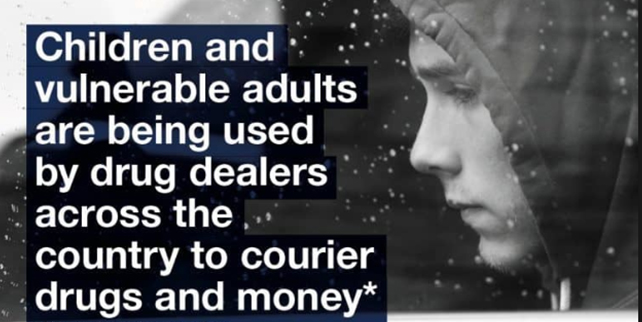
The frequent reporting this year in the media about drug county lines, where drug dealers use school-ages children to supply drugs in many of our quieter communities is real and presents a threat.
I have read reports from accident and emergency doctors who are threating large numbers of young men with knife wounds and these casualties will not admit to how the injury was caused, so the victims will not feature in the statistics, but many will be part of this violent picture.
So, what to do? Mr Javid was right this week when he estimated that it would take a generation, or at least 10 years to get on top of things and see a sustainable change.
This weekend during a visit to Brixton, south London, he promised £17 million for an early intervention youth fund aimed at drawing youths away from gangs. He has also called on the police to step up their response in dealing with the problem.
It has long been acknowledged that the huge reductions in public funding are part of the reason for the increase in violence and the relative ease in which drugs can be supplied.
Police resourcing is critically low, so responding effectively is difficult and increased funding necessary, however, it is important to have a planned response should extra funding become available to increase officer numbers.
Police do need to work from the top and tackle offenders by actively targeting those involved in violence and drugs, but the Home Secretary`s recognition that youth intervention projects are integral to the problem is positive news, where there is a need to approach the problem from the bottom too.
Although it is important to deal with the people involved in gangs or groups, and the associated violence and drug crime, the fact is these people are now difficult to engage with, so Mr Javid`s acknowledgement of the need to engage with young people on the cusp of becoming involved in crime, or at risk from doing so, is correct.
Applying the correct interventions and diversions for young people is key to the plan, where many young people come from difficult backgrounds, are not in full-time education and have a sense that they do not belong anywhere.
These are the vulnerable young people in our communities who are easily exploited by criminals to supply drugs and who are rewarded by money most of their peers only dream of.
These youths will view a gang or group as something they can attach to in order to create that sense of belonging to something in their community.
Youth services have been greatly reduced following the government`s austerity measures too, resulting in facilities such as youth clubs and youth outreach workers all but disappearing.
Youth provision requires central funding and local authorities need to come up with effective plans to use any increase funding for youth engagement.
Youths will seldom seek help or facilities, therefore outreach workers are needed to find them, build their trust, identify issues and signpost them to facilities or support services.
Finally, the contribution that residents can make must not be overlooked; if you suspect criminal activity in your area or have concerns for a young person who may be involved in drugs, please report it via the non-emergency 101 number or Crimestoppers on 0800 555-111 (https://crimestoppers-uk.org/about-the-charity/general-enquiries) if you prefer to remain anonymous.
PC 1860 Mark Ranola.
Farnborough Police Office.
101 (mark.ranola@hampshire.pnn.police.uk)